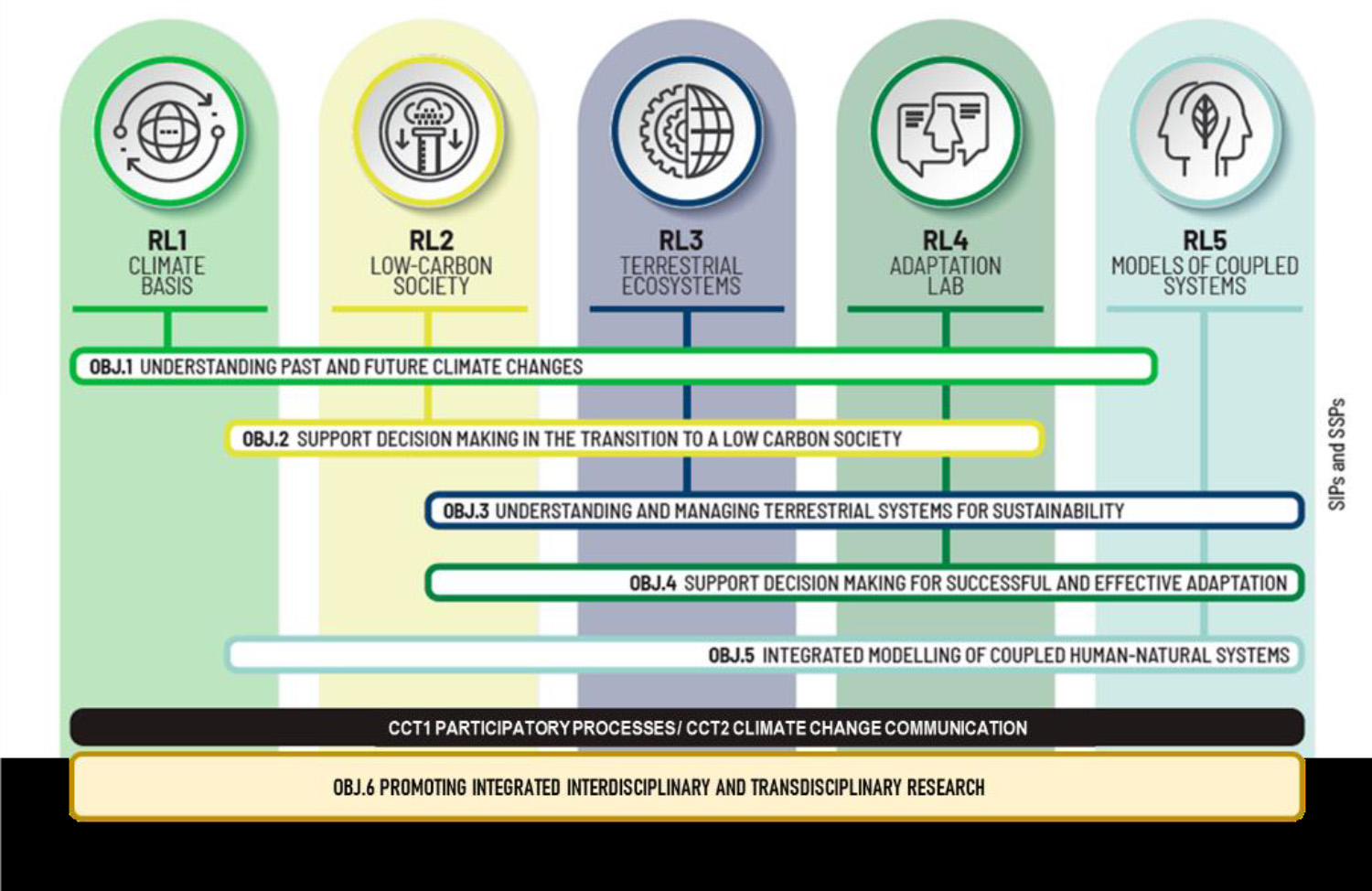
What are the main areas of research that need to be undertaken?
There is broad consensus that they fall in the following groups:
- More accurate information on the physical measures of climate change and on its effects at the local level.
- Research on the possible consequences of changes in GHGs and other gases (e.g. aerosols) on these physical measures and of the impacts of land use on net outputs of GHGs.
- Better understanding of the socio-economic consequences of the climate change impacts that have been identified and the costs and benefits of measures to adapt to these changes.
- Options to reduce GHGs and the costs of different alternatives.
This covers a research agenda that extends over the physical sciences, the social sciences and politics. Most importantly, much of the work has to be interdisciplinary in many cases.
IPCCIV, the International Panel for Climate Change’s 4th five-year assessment notes in its latest report, published recently, there is now a very wide consensus that anthropogenic emissions of GHGs are responsible for climate change.
The broad nature of this change is also broadly agreed upon: temperatures will rise steadily (by 1.5 to 4.5 degrees Celsius by the end of this century), with the effects being more pronounced in the mid-latitudes; sea levels will rise by up to one meter, and possibly more; and extreme weather events (droughts, hurricanes and floods) will increase in frequency and intensity.
There is also a great deal of agreement on the implications of these changes for human populations, and for natural resources. It is clear that the impacts will be bigger toward the end of the period, but some effects will begin to be evident quite soon. Indeed risks to property and life from increased extreme weather events are already visible, as are health effects from changes in temperature.
- Adaptation to and the impacts of climate change
The objective of this research programme is to understand the impacts of climate change on health, agriculture, water, ecosystems and biodiversity and Infrastructure services, identifying how best to respond to them.
- Measures to mitigate the amount of climate change experienced
Mitigation is one half of the climate challenge, with adaptation being the other. The main research activities focus on how to make a transition from an economic and social structure that is based on carbon and on GHG emissions to one that is based on renewable sources of energy and that is mindful of emissions from agriculture and forestry.
- International Dimensions of Climate Policy
The objectives are to contribute to a better understanding of the obstacles to reaching international agreement on climate targets, to develop common measures of the costs of adaptation to climate in developed and developing countries and see how adaptation to climate can be mainstreamed into the development strategies of developing countries.
- Developing and supporting research that informs climate policy in the Basque Country
The aim is to act as the centre for research on all aspects of climate policy in the Basque Country, drawing on the substantial research that is ongoing in the universities and other research centres of the region.